
Buying a used carbon mountain bike: pivots, suspension, and the harder-impact lifecycle
The buyer-side inspection framework for a used carbon mountain bike. Pivot-bore ovalization, shock-tunnel cracking, inner-ply delamination from rock strikes that leaves outer paint intact, and the discipline-specific risk pattern that road-bike triage does not catch.
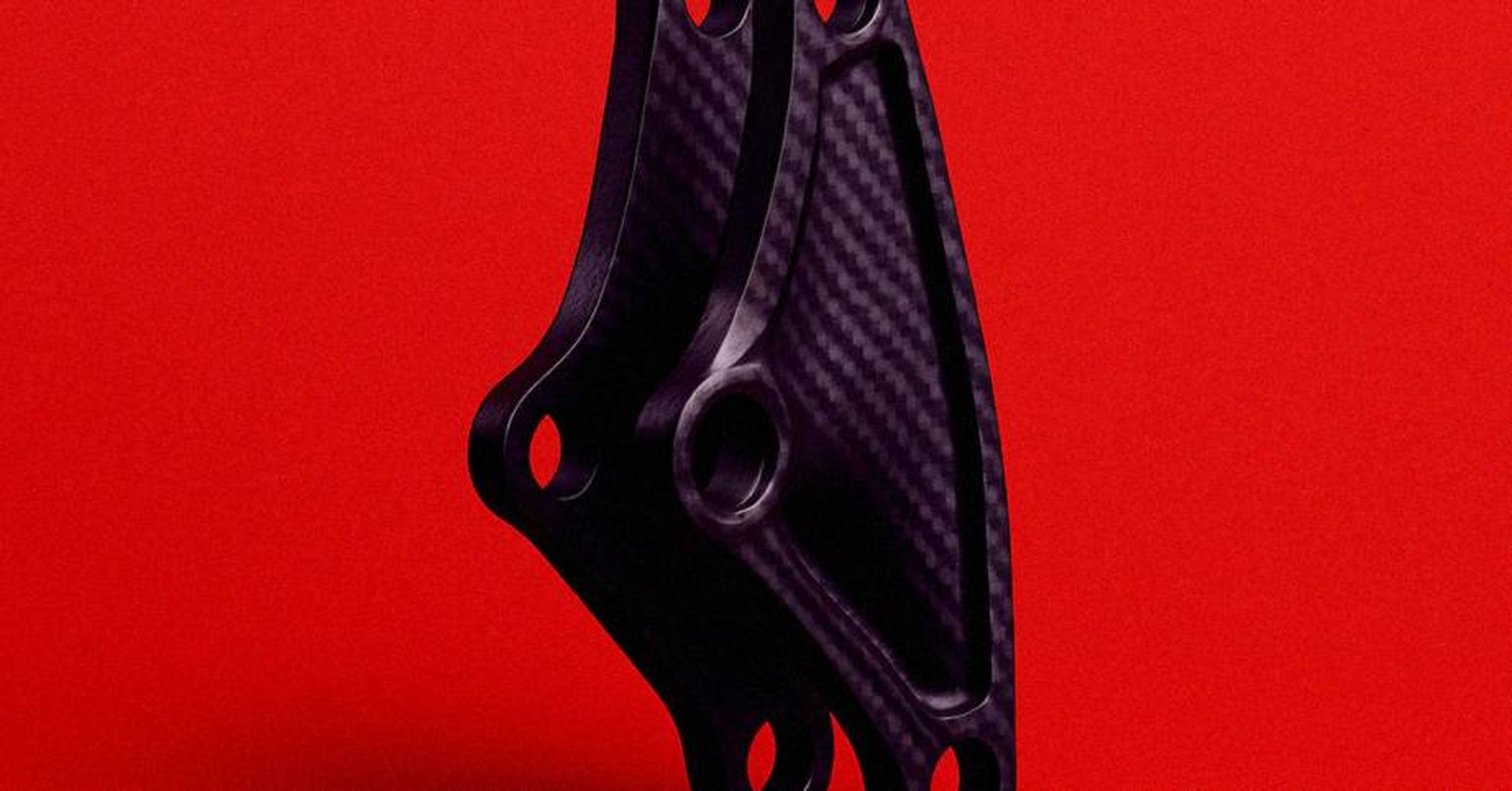
A used carbon mountain bike is a different inspection proposition from a used carbon road bike. The frame uses thicker laminate, the load path runs through suspension pivots that road bikes do not have, the discipline puts the bike through blunt rock-strike impacts the road bike never sees, and the failure modes hide better under cosmetically intact paint. A buyer who runs the road-bike triage on a used carbon MTB is checking for the wrong patterns. The MTB checklist requires its own priorities.
This is the buyer-side reference for a used carbon mountain bike. It covers why the inspection problem differs from road, the pivot and shock-tunnel inspection priorities, the chain-suck pattern, the demo-bike compression effect, and the standard hands-on triage that runs on top of the MTB-specific checks.
Why the MTB inspection problem differs#
Mountain-bike frames use thicker, multi-ply laminates (on the order of 3.0 mm) and pass rigorous impact-test protocols (e.g., EFBE tri-test). The thicker laminate is a real safety margin against gross fiber rupture and ultimate failure under impact. A road-bike layup at the same impact would more likely fracture; an MTB layup absorbs the impact and spreads the energy.
The trade-off lives on the detectability side. The characteristic MTB failure pattern is inner-ply delamination from blunt rock strikes leaving the elastic outer paint deceptively intact. The frame absorbed the impact, the inner plies separated, but the cosmetic surface is undisturbed. Visual triage misses it. The tap test catches some of it (a dull thud against a matched chainstay's sharp tick is a flag). NDT catches more (phased-array ultrasonic and active thermography can image the subsurface delamination).
The implication for used-buyer due diligence: NDT is more important on used MTB than on used road, not less. The visible-warning baseline is weaker because the thicker laminate hides more damage under intact paint. A clean visual inspection on a used carbon MTB is a smaller defensive signal than a clean visual inspection on a used carbon road bike, and the buyer should adjust the inspection budget accordingly.
Pivot-bore ovalization#
Pivot hardware on a full-suspension MTB carries continuous cyclic load. Loose or over-tightened pivot bolts destroy alignment over time. The pivot bore ovalizes, which loads the linkage off-axis and concentrates stress at the bore edge. Continued use propagates the cracking from the ovalized bore into the surrounding laminate, and the failure mode is a frame-condemning crack at the pivot.
Inspect the pivot bores by sighting down the bore axis with a flashlight. The bore should be round. Ovalization is visible to an experienced eye and confirmable with a bore gauge if available. Inspect the linkage mounts for chipping, splits, or paint cracks radiating outward from the mount. Inspect the bolt heads for ovalization: the head should be round; an oval head means the bolt has been driven in a misaligned bore and the bolt-head face has worn unevenly against the bore edge.
A used full-suspension MTB with any pivot ovalization is a bike that has been running misaligned. The strip-down inspection (linkage disassembled, bores measured, bolts inspected) is what tells the buyer how far the damage has progressed. A seller who has not done the strip-down recently may not have noticed the ovalization; a seller who knows about it and is selling the bike anyway is selling a known-problem unit and the price should reflect that.
Chain-suck gouging#
Chain-suck is a documented MTB damage pattern where a jammed chain wraps around the chainring, gets pulled up into the chainstay, and the chainring teeth cut through paint into load-bearing chainstay fibers. The pattern is more common on older drivetrains and on muddy or sandy conditions where chain retention is harder. Modern clutch derailleurs and chain-retention systems reduce the rate, but the existing inventory of used carbon MTBs includes many bikes from before the modern systems were standard.
Inspect the drive-side chainstay for gouges that have reached structural plies, not just clearcoat scuffs. Look for cuts running parallel to the chainstay axis (long contact patches from the chain wrapping along the stay) and cuts oriented perpendicular to the chainstay (the chain-suck pattern itself, with chainring tooth marks visible). Any exposure of bare carbon fibers in the gouge is a flag.
A gouge into the structural plies of the chainstay is a frame-condemning condition because of the cumulative drivetrain-torque load the chainstay takes. Cosmetic scuffs through the clearcoat are fine and common on any used MTB. Gouges into the fiber are not. The difference is visible with a 10x loupe and raking light: clearcoat-only damage shows the clear paint layer separated from the underlying surface; fiber damage shows fiber strands broken or cut.
Shock-tunnel cracking#
The shock tunnel is a high-stress structural feature on full-suspension frames and one that has its own pattern map per platform. The Forbidden Dreadnought is one documented example of suspension-pivot or shock-tunnel mount cracking from spring contact, with Forbidden owner bulletins referencing replacements for cracked shock tunnels under heavy coil-shock use. Each MTB platform has its own version of the pattern depending on geometry, shock placement, and the loading the rider applies.
Inspect the shock tunnel for cracks at the mount points, paint cracks radiating from the spring-contact zone, and visible deformation at the tunnel walls. Use raking light on the tunnel internals. A 10x loupe on any visible paint crack confirms whether the crack runs into the laminate or stays at the cosmetic surface.
Coil-shock builds are more aggressive on the tunnel than air-shock builds because the coil's spring rate concentrates load differently and the coil's physical mass interacts with the tunnel walls under big hits. A used carbon MTB that has been built or rebuilt with a coil shock deserves extra attention at the tunnel. The shock change itself is a useful conversation point with the seller: when was the change made, why, who installed it, was a clearance check done.
The demo-bike compression effect#
Resort and demo fleets cycle through high-end carbon MTBs annually. An end-of-season demo bike has compressed years of normal-rider impact into one season. The bike has been ridden by hundreds of riders, on demo-level terrain (often more aggressive than the average buyer's home terrain), with demo-level setup variance (riders adjusting cockpit and suspension settings repeatedly across rides). The cumulative impact history is real.
A demo bike at end of season warrants a full strip-and-NDT inspection rather than the road-bike triage protocol. The asking price typically reflects the demo discount, but the inspection cost is real and should be priced in. A buyer who treats a demo bike as a discount on a known-good frame is making the wrong assumption. The demo bike is a discount on a frame with an aggressive impact history that the buyer cannot fully reconstruct.
For end-of-season demo bikes specifically, ask the demo fleet operator (or the dealer selling the demo) about service records, any incident reports, and the impact-test or NDT status before the bike was put up for sale. A demo operator who has been documenting service is signaling a stronger purchase. A demo operator who is moving the bike without service records is moving a bike with an unknown impact history.
The standard hands-on triage#
Run the standard used-carbon triage on top of the MTB-specific checks: raking light at 5 to 10 degrees on every tube, cotton rag snag on suspect zones, symmetrical coin tap on matched left and right chainstays and seatstays, flex and load checks at high-stress junctions, headset and steerer audit, BB shell and bearing check, pivot bore measurement (if a bore gauge is available), and wheel and rim inspection.
The MTB-specific additions: the dropout area takes blunt-impact load that road bikes do not see. Check the dropouts for cracks at the rear-derailleur hanger boss and at the thru-axle interface. The down tube on a modern MTB is sometimes designed with a sacrificial down-tube protector that is meant to take rock strikes; check the protector itself and check what is underneath it.
The buy-or-walk threshold#
A documented used carbon MTB with original-owner provenance, a clean pivot inspection, no chain-suck damage to the structural plies, a clean shock-tunnel check, and a clean hands-on triage is a strong purchase at the model's comp price. The cumulative inspection signal is strong enough that the buyer is paying for the model rather than absorbing structural-validation risk.
An undocumented used carbon MTB with vague ownership, visible pivot wear, chain-suck damage to the structural plies, any tunnel-cracking pattern, or any of the inner-ply delamination signals (dull tap tones against matched chainstays, thumb-pressure deflection on the chainstays or seatstays) is asking the buyer to absorb a structural-validation cost plus the cost of any frame-condemning finding. NDT cost on a full-suspension MTB can run higher than on a road bike because the strip-down and the pivot-bore measurements are more complex. Below a certain asking-price band the inspection cost is rational. Above it, the listing is asking the buyer to absorb costs the asking price does not reflect, and the defensive posture is to walk.
The MTB used market is large enough that another listing is always available. The inspection priority list is the framework; the inspection itself is the verification; the buy-or-walk decision is the buyer's, made against the cumulative signal the listing produces.