
Bicycle carbon fiber repair kit: what a kit actually fixes, and what it cannot
Consumer carbon fiber repair kits address cosmetic chips, surface scratches, and clearcoat damage. They cannot resolve subsurface delamination or fiber fractures, and a previously applied kit layer interferes with the methods an inspector relies on.
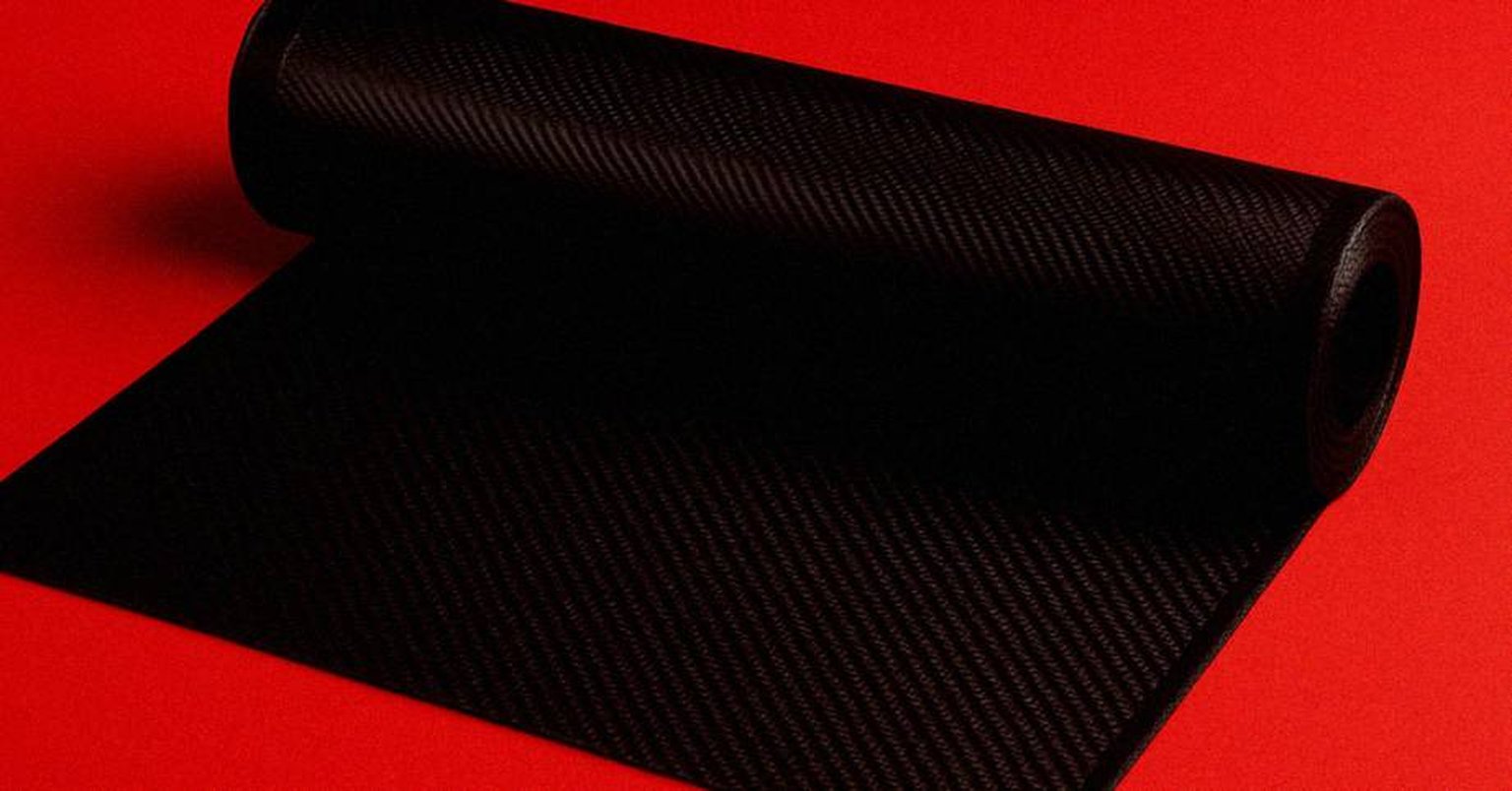
Carbon fiber repair kits are owner-fixable solutions for a specific, narrow class of damage. They handle cosmetic chips, surface scratches, and clearcoat damage well. They cannot resolve subsurface delamination, fiber fractures, or resin voids, which sit beneath the paint surface where the kit's chemistry has no way to reach.
The deeper operational issue is the one that does not appear on the kit's instructions. A previously applied kit layer interferes with the surface triage methods an inspector relies on, which means a kit applied to the wrong defect can do worse than the underlying damage by obscuring the evidence an inspector would otherwise use to decide whether subsurface NDT is warranted.
What a kit does well#
A quality two-part epoxy carbon repair kit is designed for surface-layer reconstruction. It mixes a resin and a hardener, optionally with carbon-fiber tow or weave for cosmetic continuity, and cures to a finish that can be sanded, primed, and painted to approximate the original surface.
The damage modes that map cleanly to this capability are limited and specific. Cosmetic chips that took paint and clearcoat but did not penetrate the laminate. Surface scratches that left the carbon weave intact below. Clearcoat damage where the underlying paint is uniform and the laminate is sound. For these cases, an experienced owner with a kit returns the area to a reasonable cosmetic finish, and the area can be documented as cosmetic-only in a later inspection report.
The inspection-report side of this is worth being explicit about. A complete carbon bike inspection sorts findings into three tiers: Safe, Serviceable, or Unsafe. Serviceable in that framework means no structural damage, but minor cosmetic chips, superficial scratches, or non-structural wear are logged for future monitoring. A kit applied appropriately to a Serviceable-tier defect is consistent with the report's own language about the finding.
What a kit cannot resolve#
Subsurface delamination, fiber fractures, and resin voids can sit beneath an unblemished paint surface. The kit's chemistry is a surface layer; it cannot reach the interlaminar region where delamination happens, and it cannot reconstruct broken fibers in the load path.
The mechanical context matters here, because it is what separates a cosmetic question from a structural one. A frame can lose roughly 40 to 50 percent of its local interlaminar shear strength in a specific area and still feel stiff and responsive under moderate riding forces (Certify Cycle). The test ride after applying a kit is not a substitute for subsurface diagnostic confirmation. The test ride reads the surrounding structural redundancy, not the damaged area, and a clean test ride after a kit application says nothing about whether the underlying laminate was sound to begin with.
The hazard mechanics are catastrophic-failure rather than gradual-degradation. Carbon fiber reinforced polymer is anisotropic and can fail catastrophically and suddenly without prior warning. Internal delamination raises the local stress concentration in the affected area; under typical riding loads the frame feels healthy, but a single high-force compressive event (pothole at speed, heavy landing, hard sprint effort) drives the local stress past the failure threshold of the remaining plies and the tube collapses. A cosmetically restored surface over a structurally compromised laminate sets up that exact failure mode with a coat of resin masking the warning signs.
How a prior kit layer interferes with inspection#
This is the part that the kit's instructions do not cover, and it is the part that matters most for an owner thinking about an inspection after a kit application.
An inspection begins with surface triage. The pipeline is well-defined. A clean-frame wipe removes dirt and film that could mask fine surface disruptions. Raking-light examination, under high-intensity shallow-angle light, reveals paint bubbling, clearcoat ripples, and localized depressions invisible under flat overhead lighting (Carbon Bike Doctor). Cotton-gloved hand passes across the tubing snag on microscopic carbon shards or hairline cracks that the eye misses. Four high-stress junctions get separate scrutiny under digital microscopes and optical loupes: the bottom bracket cluster, the head tube transitions, the seatpost insertion area, and the dropouts.
A previously applied kit layer interferes with each of these methods.
The kit's resin reflects raking light differently than the original paint and clearcoat. The bubbling, ripple, and depression patterns the technician is reading are based on calibrated experience with paint-and-clearcoat surfaces. A patch of cured kit resin in the middle of those patterns produces a local discontinuity in light response that masks the natural surface evidence and adds a false signature of its own.
Cotton-glove passes work because the glove's delicate fibers snag on the rough edges of microscopic carbon shards or hairline cracks in the original surface. The glove does not snag on the smoothed surface of a cured kit patch the same way. An area healed with a kit will pass the glove test even if the underlying laminate is fractured.
Digital microscope examination at the high-stress junctions is the most direct casualty. The microscope examines the original laminate surface for the difference between benign clearcoat scratches and active laminate fractures. A kit layer obstructs that examination entirely; the microscope sees the kit, not the underlying carbon.
The corollary is operational. Disclose any prior kit application at inspection intake. The inspector can then plan around the obscured zone, choose the appropriate subsurface method that bypasses the surface entirely (ultrasound for thickness and back-wall reflection, computed radiography for complex joints, thermography for flat sections, fluorescent dye penetrant for surface-breaking cracks where contact ultrasound is impractical), and document the patch as a known limitation in the report rather than being misled into reading the patch as natural surface.
Where kits belong in the workflow#
The workflow logic is straightforward when the categories are sorted.
Cosmetic chips on a known-sound frame, with the laminate visually intact and the area not in a high-stress zone, are appropriate for a kit. Document the area as cosmetic before and after if there is any reason it might come up later, and the next inspector can carry the finding forward as a known cosmetic patch rather than an unknown.
A new mystery scratch in a high-stress zone after a crash is the wrong case for a kit. Skip the kit and get the inspection first. A kit applied before inspection has the worst of both worlds: it does not address the structural question, and it obscures the visual evidence the inspector uses to decide whether subsurface NDT is warranted. The same logic applies to any unexplained mark in the four canonical high-stress junctions, any chip that exposes laminate (rather than just clearcoat), and any area near a known impact event.
Subsurface concerns are entirely outside the kit's scope. Internal delamination, fiber fractures, and resin voids are the diagnostic targets for ultrasound, computed radiography, thermography, or dye penetrant testing depending on the geometry of the area in question. None of those methods has a consumer-kit analog, and the reason is structural rather than commercial: the diagnostic question requires sensing through the surface, not on it.
What this means for the reader#
Carbon repair kits do one thing well and one thing badly. They handle cosmetic chips and clearcoat damage well, returning the surface to a reasonable approximation of original at a price the owner can absorb. They do nothing for subsurface damage, and worse, a kit applied to the wrong defect masks the visual evidence an inspector would have used to decide whether subsurface NDT was warranted.
The honest workflow is to know which kind of damage you are looking at before reaching for the kit. Cosmetic-only chips are a kit case. Anything in a high-stress zone, anything post-crash, anything that exposed laminate, and anything you are not sure about should go to inspection first. If you have already applied a kit and now want an inspection, disclose the patch at intake. The inspector can then route around the obscured area with a subsurface method and document the limitation in the report rather than reading the patched surface as native and missing the structural question entirely.